
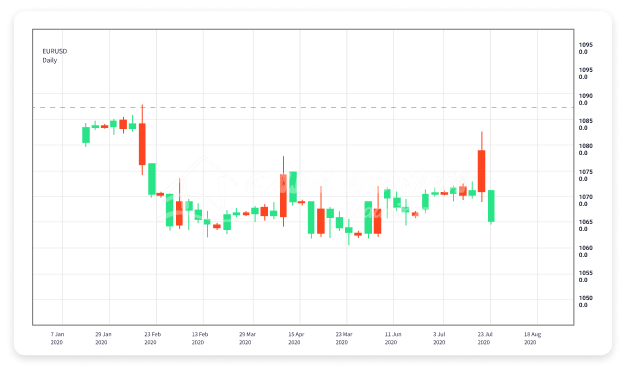
In the world of currency trading, understanding and implementing effective strategies is crucial for success. Whether you are a novice or an experienced trader, having a solid grasp of forex trading strategies can significantly enhance your performance in the forex market. This article explores several key strategies that traders can adopt, along with valuable insights into resources available such as forex trading strategies pdf Trading Brokers in Morocco that can assist in the trading journey.
What Are Forex Trading Strategies?
Forex trading strategies refer to specific rules and techniques that traders use to make decisions about buying and selling currency pairs. These strategies can be based on a variety of factors, including technical analysis, fundamental analysis, or a combination of both. The goal of any trading strategy is to maximize profits while minimizing risks.
1. Technical Analysis Strategies
Technical analysis involves analyzing price charts and market trends to forecast future movements. Here are a few popular technical analysis strategies:
1.1 Trend Following Strategy
The trend-following strategy is built on the belief that prices tend to move in a particular direction for some time. Traders use trend lines and various indicators such as moving averages to identify and follow the trend. The main idea is to buy in an uptrend and sell in a downtrend.
1.2 Breakout Strategy
This strategy focuses on entering the market when the price breaks through a defined level of support or resistance. Traders look for consolidation patterns (like triangles or rectangles) and place trades as soon as the price breaks out, predicting a substantial movement in that direction.
1.3 Range Trading Strategy
Range trading is based on the idea that currencies move within a specific range for a period. Traders identify overbought and oversold conditions and buy or sell off the established support and resistance lines. This strategy relies heavily on oscillators like the RSI (Relative Strength Index).

2. Fundamental Analysis Strategies
Fundamental analysis involves evaluating economic indicators, news events, and geopolitical variables that affect currency values. Here are some strategies using fundamental analysis:
2.1 Economic News Trading
Many traders use economic calendars to identify important news releases that can influence currency prices. This strategy involves trading based on expectations before the news and reacting to the price movements immediately after the news is released.
2.2 Interest Rate Differentials
This strategy is based on the concept that currency values are heavily influenced by interest rates. Traders analyze the interest rates set by central banks and trade currencies accordingly. A higher interest rate often leads to an appreciating currency.
3. Combination Strategies
Some traders combine both technical and fundamental analysis to gain a comprehensive understanding of the forex market. Here’s how:
3.1 Swing Trading Strategy
This strategy targets capturing short to medium-term gains over a few days to several weeks. It utilizes both technical indicators to determine entry and exit points and fundamental analysis to gauge market sentiment and potential price movements.
3.2 Position Trading Strategy
Position traders hold their trades for the long term, typically months or even years. They rely on fundamental analysis to ensure they are on the right side of the market, while technical analysis helps identify the best entry and exit points.

4. Risk Management in Forex Trading
Regardless of the strategy you adopt, risk management is crucial. Effective risk management involves setting stop-loss and take-profit orders to protect your capital. Here are key elements:
4.1 Position Sizing
Calculating the size of your position based on your account balance and risk tolerance is essential. This helps in controlling losses and ensures that no single trade can damage your account significantly.
4.2 Diversification
Diversifying your portfolio by trading different currency pairs reduces the risk of significant losses, as not all currencies move in the same direction at the same time.
5. Creating a Trading Plan
Every successful trader has a well-defined trading plan that outlines their strategy, risk management rules, and trading goals. This plan should be regularly reviewed and adjusted based on market performance and personal growth.
Conclusion
Forex trading can be highly rewarding when approached with the right strategies and a solid understanding of market dynamics. By adopting a strategy that aligns with your trading style and conducting thorough research, you can boost your chances of success. Remember that continuous education and practice are vital, so consider downloading a comprehensive forex trading strategies PDF to deepen your understanding and refine your approach.
In summary, whether you’re seeking to adopt technical analyses, fundamental strategies, or a combination of both, maintaining discipline and a commitment to risk management is crucial in navigating the Forex market successfully.
Warning: Undefined array key "ssba_bar_buttons" in /home/u996422686/domains/casabonitamadeiras.com.br/public_html/wp-content/plugins/simple-share-buttons-adder/php/class-buttons.php on line 604
Warning: Undefined array key "ssba_bar_buttons" in /home/u996422686/domains/casabonitamadeiras.com.br/public_html/wp-content/plugins/simple-share-buttons-adder/php/class-buttons.php on line 604
Warning: Undefined array key "ssba_bar_buttons" in /home/u996422686/domains/casabonitamadeiras.com.br/public_html/wp-content/plugins/simple-share-buttons-adder/php/class-buttons.php on line 604
Warning: Undefined array key "ssba_bar_buttons" in /home/u996422686/domains/casabonitamadeiras.com.br/public_html/wp-content/plugins/simple-share-buttons-adder/php/class-buttons.php on line 604


