

Exploring the World of Demos: A Guide to Understanding and Creating Engaging Demonstrations
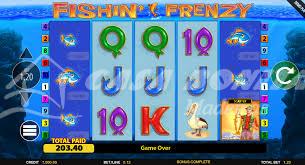
In today’s fast-paced and increasingly digital world, the concept of a demo has become ubiquitous across various sectors, from technology to education to marketing. A demo, or demonstration, is an effective way to showcase a product, service, or concept. Engaging demos can significantly impact how audiences perceive your message and can ultimately determine the success of your project. For instance, consider the popular online game demo Fishin Frenzy the big catch, which employs demos to attract and inform potential players. In this article, we will explore the intricacies of demos, their significance, and best practices for creating them.
What is a Demo?
A demo can be defined as a presentation or showcase of a product, service, or concept, designed to illustrate its features, benefits, or functionalities. Demos can take many forms, including live presentations, video tutorials, interactive sessions, and more. They are often used in sales, marketing, training, and education to help audiences understand and appreciate the value of what is being offered.
The Importance of Demos
Demos serve several critical functions in various industries. Here are some key reasons why they are essential:
- Building Trust: Demonstrating a product effectively can help build trust with potential customers, showcasing transparency about how the product works and what it offers.
- Enhancing Understanding: When viewers can see a product in action, they are more likely to comprehend its value and utility. This is especially crucial for complex products or services.
- Facilitating Decision-Making: A well-executed demo can assist consumers in making informed decisions, ultimately leading to increased conversion rates.
- Engagement: Engaging demos capture the audience’s attention, making it more likely that they will remember the product or service being presented.
- Feedback Opportunity: Demos can serve as a feedback loop, allowing creators to gain valuable input from their audience, refining their offerings further.
Types of Demos
Demos can vary greatly depending on the context and industry. Here’s a closer look at some common types of demos:
1. Product Demos
These are perhaps the most recognizable type of demo. Product demos showcase the features and functionality of a specific item, highlighting how it addresses consumer needs. Industries such as software, consumer electronics, and home appliances frequently rely on product demos to entice customers.

2. Service Demos
Service demos focus on illustrating the effectiveness of a service rather than a physical product. For instance, a consulting firm may provide a demo of its process, highlighting methods for improved efficiency.
3. Training Demos
In educational and professional settings, training demos allow instructors or trainers to exhibit methods and techniques relevant to their subject matter, facilitating learning and skill development.
4. Event Demos
Many companies employ demos at trade shows, conventions, and other events to attract attention and engage potential customers. These demonstrations are typically live presentations that allow for audience interaction.
Creating an Engaging Demo
Crafting a compelling demo requires thoughtful planning and execution. Here are some guidelines to help you create an engaging demo that resonates with your audience:
1. Know Your Audience
Understanding your audience is crucial. Tailor your demo to their specific needs, interests, and prior knowledge. Assess their familiarity with your subject and adjust your approach accordingly.
2. Keep It Concise
Attention spans are short, especially in digital formats. Aim to communicate your message clearly and succinctly, avoiding unnecessary jargon or complex explanations.
3. Use Visual Aids
Visual aids can enhance understanding and retention. Use slides, diagrams, videos, or physical props to complement your narrative and visually represent key concepts.
4. Practice Delivery
The way you present matters as much as the content itself. Practice your delivery to ensure clarity, confidence, and engagement. A good presenter can significantly elevate the impact of a demo.
5. Invite Interaction
Encourage audience participation by inviting questions or providing hands-on opportunities. This interaction reinforces the learning experience and makes the demo more memorable.
Measuring Demo Success
After delivering a demo, measuring its success is vital for future improvements. Consider the following metrics:
- Audience Engagement: Monitor audience reactions and participation during the demo.
- Follow-Up Actions: Analyze whether viewers took any actions post-demo, such as signing up for a trial or making a purchase.
- Feedback Surveys: Conduct surveys to gather audience feedback regarding the clarity, engagement level, and overall effectiveness of the demo.
Conclusion
Demos play an integral role in effectively communicating value and engaging audiences in various industries. By understanding how to utilize demos effectively, creators can enhance their marketing efforts, educate their audiences, and ultimately drive success. As you embark on your journey to create engaging demos, remember the importance of preparation, audience engagement, and clarity in your messaging. If done right, a demo can be a powerful tool that sets your offering apart in a crowded marketplace.
Warning: Undefined array key "ssba_bar_buttons" in /home/u996422686/domains/casabonitamadeiras.com.br/public_html/wp-content/plugins/simple-share-buttons-adder/php/class-buttons.php on line 604
Warning: Undefined array key "ssba_bar_buttons" in /home/u996422686/domains/casabonitamadeiras.com.br/public_html/wp-content/plugins/simple-share-buttons-adder/php/class-buttons.php on line 604
Warning: Undefined array key "ssba_bar_buttons" in /home/u996422686/domains/casabonitamadeiras.com.br/public_html/wp-content/plugins/simple-share-buttons-adder/php/class-buttons.php on line 604
Warning: Undefined array key "ssba_bar_buttons" in /home/u996422686/domains/casabonitamadeiras.com.br/public_html/wp-content/plugins/simple-share-buttons-adder/php/class-buttons.php on line 604


