Jucimar
- Uncategorized
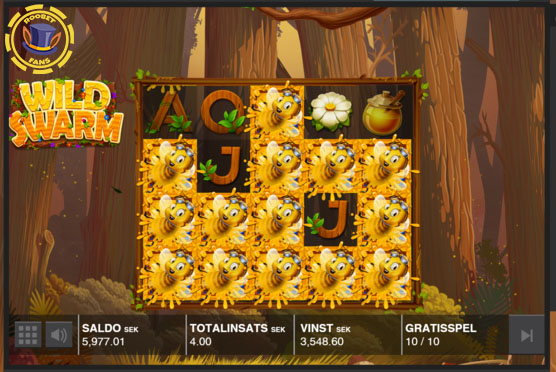
Geographic entry to wild swarm slots in the UK presents fascinating variations that reflect fundamental ecological and socio-economic factors. Urban areas often feature higher swarm availability due to beneficial environments, Slot Wild Swarm, while rural regions encounter obstacles linked to divided habitats. Local regulations and community customs further complexify the situation. Understanding these complexities is essential for beekeepers and conservationists alike. What measures can be implemented to bridge the disparity between these different regions?
Current Patterns in Beekeeping and Swarm Presence
As the interest of beekeeping continues to rise, particularly in urban areas, the availability of wild swarm slots has become progressively important to both hobbyist and commercial beekeepers. This development is fueled by a increasing consciousness of the ecological advantages connected with bees, alongside an growth in local food movements. Urban beekeepers often look for wild swarms to enhance genetic variation within their hives, which can support resilience against diseases. Additionally, factors regarding local laws and environmental conditions impact swarm accessibility. Data indicates that certain areas, particularly those with plentiful flora, generate higher swarm instances. Productive management strategies must incorporate feasible swarm retrieval practices, securing both principled factors and optimal colony health. Comprehending these shifts is crucial for conscientious beekeeping.
Regional Disparities in Wild Swarm Availability
While urban beekeepers benefit from an abundance of floral resources, disparities in wild swarm accessibility across regions can create significant challenges. Rural areas, often characterized by limited population density and fragmented habitats, face obstacles due to diminished foraging opportunities and reduced swarm occurrence. Conversely, urban locales, marked by diverse vegetation and floral offerings, typically report higher swarm frequencies, facilitating increased hive establishment. Data reveal that socio-economic factors further exacerbate these disparities, with financially constrained communities lacking the infrastructure and knowledge to attract swarms effectively. This uneven distribution necessitates a thorough examination of geographic determinants, including habitat types, local climate variables, and land-use practices, to better understand the persistent resource inequalities impacting beekeeping efforts throughout the UK.
Local Initiatives to Promote Swarm Conservation
While urban beekeepers profit from an wealth of floral resources, differences in wild swarm accessibility across regions can create substantial challenges. Rural areas, often characterized by sparse population density and fragmented habitats, face obstacles due to reduced foraging opportunities and reduced swarm occurrence. Conversely, urban locales, distinguished by varied vegetation and floral offerings, typically report greater swarm frequencies, enabling enhanced hive establishment. Data show that socio-economic factors further aggravate these disparities, with financially limited communities lacking the infrastructure and knowledge to lure swarms effectively. This disproportionate distribution requires a thorough examination of geographic determinants, including habitat types, local climate variables, and land-use practices, to better grasp the continuing resource inequalities impacting beekeeping efforts throughout the UK.

Local Initiatives to Promote Swarm Conservation
How can local initiatives effectively promote swarm conservation within communities? Involving local stakeholders, such as beekeepers, eco-friendly groups, and educational institutions, nurtures a collaborative approach that boosts consciousness and action. Workshops on sustainable swarm management techniques impart vital skills, enabling community members to participate in conservation efforts actively. Additionally, establishing monitoring programs helps collect data on swarm populations, facilitating evidence-based strategies tailored to specific locales. Leveraging technology through mobile applications can simplify documentation and tracking, increasing community involvement. Creating habitat corridors and protected areas lays the groundwork for ecological resilience, ensuring swarms thrive. Ultimately, targeted outreach initiatives can promote a conservation ethic within communities, resulting in a collective responsibility towards preserving wild swarm populations for future generations.

Environmental Factors Affecting Wild Swarm Populations
Understanding the environmental factors that influence wild swarm populations is crucial for effective conservation strategies. Habitat quality plays a pivotal role, as diverse floral resources and suitable nesting sites promote swarm health. Climatic conditions, including temperature and precipitation patterns, directly impact food availability and swarm behavior. Additionally, pesticide use poses considerable threats, as it can reduce bee populations and disrupt ecological balances. Urbanization further complicates these changes, fragmenting habitats and limiting available resources. Monitoring these factors allows conservationists to identify trends and apply proactive measures. In turn, this guarantees the sustainability of wild swarm populations, which are important for pollination and ecosystem health. Consequently, addressing these environmental influences can improve conservation efforts significantly.
Strategies for Aspiring Beekeepers to Access Wild Swarms
Preservation efforts not only sustain wild swarm populations but also create chances for aspiring beekeepers to access these precious resources. To effectively obtain wild swarms, beekeepers should engage in local conservation groups, which often distribute swarm capture and management techniques. Networking with seasoned apiculturists also improves their understanding of local swarm behavior. Employing technological tools, such as swarm-finding apps and online platforms, can ease the process of locating swarms. Additionally, aspiring beekeepers should refine their skills in swarm collection techniques, ensuring they can do so responsibly and proficiently. Finally, timing swarm collection during peak seasons increases their chances of success, as environmental factors affect swarm activity. By applying these strategies, beekeepers can judiciously access the wild swarm resource.
Conclusion
To conclude, geographic access to wild swarm locations in the UK highlights significant disparities influenced by urban and rural interactions. While urban areas benefit from lively foraging conditions, rural regions face obstacles that hinder swarm availability. To bridge this gap, focused local initiatives must be executed, addressing environmental influences and promoting collaboration among stakeholders. By adopting effective strategies, aspiring beekeepers can enhance their chances of accessing wild swarms, ultimately advancing both biodiversity and eco-friendly beekeeping practices across varying terrains.
Warning: Undefined array key "ssba_bar_buttons" in /home/u996422686/domains/casabonitamadeiras.com.br/public_html/wp-content/plugins/simple-share-buttons-adder/php/class-buttons.php on line 604
Warning: Undefined array key "ssba_bar_buttons" in /home/u996422686/domains/casabonitamadeiras.com.br/public_html/wp-content/plugins/simple-share-buttons-adder/php/class-buttons.php on line 604
Warning: Undefined array key "ssba_bar_buttons" in /home/u996422686/domains/casabonitamadeiras.com.br/public_html/wp-content/plugins/simple-share-buttons-adder/php/class-buttons.php on line 604
Warning: Undefined array key "ssba_bar_buttons" in /home/u996422686/domains/casabonitamadeiras.com.br/public_html/wp-content/plugins/simple-share-buttons-adder/php/class-buttons.php on line 604


