

The Future of Online Poker: Trends, Technology, and Tactics
As the world of poker continues to evolve with technology, players are facing new challenges and opportunities in the realm of online poker. With platforms like The Future of Online Poker in Bangladesh in 2026 Mostbet লগইন leading the way, the online poker scene is transforming at a rapid pace, incorporating innovative features, enhanced security protocols, and a growing community of players across the globe. In this article, we will delve into various aspects that shape the future of online poker, from technological advancements to shifts in player behavior, regulatory changes, and the push for inclusivity in gaming.
The Rise of Artificial Intelligence
Artificial Intelligence (AI) is playing an increasingly prominent role in online poker, influencing both gameplay and site management. AI-driven algorithms analyze vast amounts of data to identify trends and strategies, offering players insights that can enhance their decision-making processes. Additionally, AI can be utilized to detect collusion and cheating more effectively than ever before, safeguarding the integrity of the game.
AI in Gameplay
Players can now access poker training platforms that use AI to provide personalized coaching. These programs evaluate a player’s game style and offer tailored advice on how to improve strategies in real-time. This technology not only helps novices develop their skills quicker but also challenges seasoned players to adapt to advanced tactics.
AI in Security
Online poker rooms are also leveraging AI to enhance their security measures. Machine learning algorithms continuously monitor player behavior to detect anomalies that might indicate fraudulent activities. This ensures a fair environment for all players, crucial for maintaining trust in online gaming platforms.
The Impact of Virtual Reality
Virtual Reality (VR) is set to revolutionize the way players experience online poker. By creating immersive environments, VR can simulate the feeling of being in a real casino, allowing players to engage with others in a more interactive format. VR poker rooms are already in development, providing players with lifelike graphics, spatial audio, and the ability to interact with virtual dealers and other players.
Social Interaction and Engagement
The social aspect of poker is integral to its appeal. VR can enhance this by enabling players to communicate and interact with one another in a virtual space. This makes online poker more engaging and helps replicate the communal atmosphere found in physical casinos.
Accessibility and Inclusivity
VR technology also has the potential to make poker more accessible. Players with mobility issues or those who live in remote areas can enjoy a casino-like experience from the comfort of their homes, breaking down barriers to entry.
The Evolution of Game Formats
As player preferences shift, online poker platforms are diversifying their offerings beyond traditional formats. Speed poker, for instance, has gained popularity among players seeking quick and exciting games. Innovations like the use of ‘snap’ formats, which allow players to jump into new hands immediately after folding, cater to the desire for faster play.
Mobile Gaming
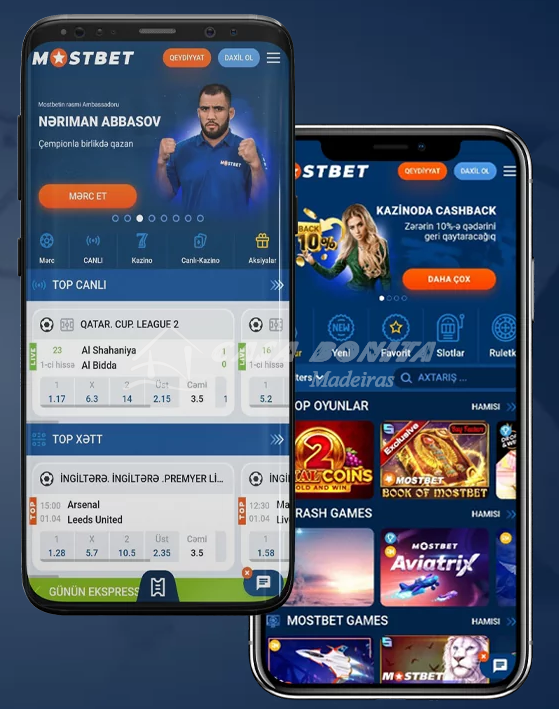
The rise of mobile gaming cannot be overlooked in the discussion of poker’s future. As smartphones become more powerful, poker apps are gaining functionality that rivals desktop platforms. Players can access their favorite games anytime, anywhere, making poker more convenient and appealing.
Blockchain Technology
Blockchain technology is making waves in online poker by enhancing transparency and security. With decentralized networks, players can enjoy a level of trust previously unattainable in online gaming. Transactions become secure and verifiable, reducing the risk of fraud and enhancing user confidence.
Regulatory Changes and Their Implications
The regulatory landscape for online poker continues to change, with various countries shifting their stances on online gaming. While some regions embrace online poker, others impose strict regulations that can stifle growth. Understanding and navigating these laws will be critical for the industry’s advancement.
Globalization of Poker
As globalization takes hold, we see players from different countries coming together in online poker rooms. This international player pool fosters diversity in gameplay styles and strategies. As countries like the US continue to open up regulated online gaming markets, the potential for collaboration between platforms worldwide will increase, enhancing the experience for all players.
Responsible Gaming Initiatives
With the rise of online gambling, responsible gaming practices are more important than ever. Many platforms are already implementing tools to help players manage their gaming habits, such as self-exclusion features and betting limits. Future regulations will likely require more robust measures to protect players and promote responsible gaming.
The Change in Player Demographics
As poker gains popularity among younger demographics, the online poker community is also changing. Millennials and Gen Z players are becoming more involved, driving demand for fresh, engaging, and interactive poker experiences. These younger players often prefer fast-paced games and social interaction over traditional poker styles.
Engagement Through Streaming and Content Creation
Platforms like Twitch have revolutionized how poker is consumed. Players can watch others play live, learn strategies, and engage with their favorite influencers. This shift towards streaming and content creation modes is critical for attracting a new generation of players who value entertainment alongside competition.
Conclusion: Embracing the Change
The future of online poker is an exciting landscape filled with opportunities for players and operators alike. With advancements in technology, shifts in player preferences, and changing regulations, the online poker experience is destined to transform significantly. To succeed in this evolving world, players must stay adaptable and embrace the innovations that continue to shape the game they love.
The integration of AI, VR, and blockchain technology promises to elevate the stakes of online poker, making it more secure, engaging, and enjoyable for players. As players increasingly navigate this fast-paced environment, collaboration among industry stakeholders will be crucial to ensure the growth and sustainability of online poker for years to come.
Warning: Undefined array key "ssba_bar_buttons" in /home/u996422686/domains/casabonitamadeiras.com.br/public_html/wp-content/plugins/simple-share-buttons-adder/php/class-buttons.php on line 604
Warning: Undefined array key "ssba_bar_buttons" in /home/u996422686/domains/casabonitamadeiras.com.br/public_html/wp-content/plugins/simple-share-buttons-adder/php/class-buttons.php on line 604
Warning: Undefined array key "ssba_bar_buttons" in /home/u996422686/domains/casabonitamadeiras.com.br/public_html/wp-content/plugins/simple-share-buttons-adder/php/class-buttons.php on line 604
Warning: Undefined array key "ssba_bar_buttons" in /home/u996422686/domains/casabonitamadeiras.com.br/public_html/wp-content/plugins/simple-share-buttons-adder/php/class-buttons.php on line 604


