
The Ultimate Forex Trading Tutorial: Strategies for Success
Foreign exchange (Forex) trading can be a lucrative endeavor if approached with the right knowledge and strategy. This tutorial provides an in-depth understanding of Forex trading and equips you with the key techniques for success. Whether you are a beginner looking to enter the Forex market or an experienced trader aiming to refine your strategies, this guide will help you navigate the complex world of currency trading. For reliable trading options, consider checking out forex trading tutorial Uzbekistan Brokers.
What is Forex Trading?
Forex trading involves buying and selling currencies on the foreign exchange market, with the aim of making a profit. The Forex market is the largest financial market in the world, with a daily trading volume exceeding $6 trillion. Traders exchange currency pairs, such as EUR/USD or GBP/JPY, predicting the direction of exchange rates.
Understanding Currency Pairs
In Forex trading, currencies are quoted in pairs. A currency pair consists of a base currency and a quote currency. The base currency is the first currency in the pair, while the quote currency denotes how much of the quote currency is needed to buy one unit of the base currency. For example, in the EUR/USD pair, EUR is the base currency, and USD is the quote currency. If the exchange rate is 1.10, it means 1 Euro is equivalent to 1.10 US Dollars.
Key Concepts in Forex Trading
There are several fundamental concepts that every Forex trader should understand:
1. Pips and Lots
A pip (percentage in point) is the smallest price movement in the Forex market. Most pairs are quoted to four decimal places, where one pip represents a change of 0.0001. Trading happens in lots, which are specified quantities of the asset being traded. A standard lot is 100,000 units of the base currency, while mini lots and micro lots are 10,000 and 1,000 units, respectively.
2. Leverage
Leverage allows traders to control larger positions with a smaller amount of capital. In Forex trading, leverage can be as high as 100:1 or even 500:1, meaning that a trader can control a significant position with a small deposit. However, while leverage can magnify profits, it can also increase losses, making risk management essential.
3. Margin
Margin is the amount of money required to open a leveraged position. It is a percentage of the full trade size and serves as a security deposit that the broker holds. Understanding margin requirements is crucial to effective risk management and trading strategy selection.
Strategies for Successful Forex Trading
While there are countless strategies available to traders, here are some widely recognized approaches that can help enhance your Forex trading skills:
1. Technical Analysis
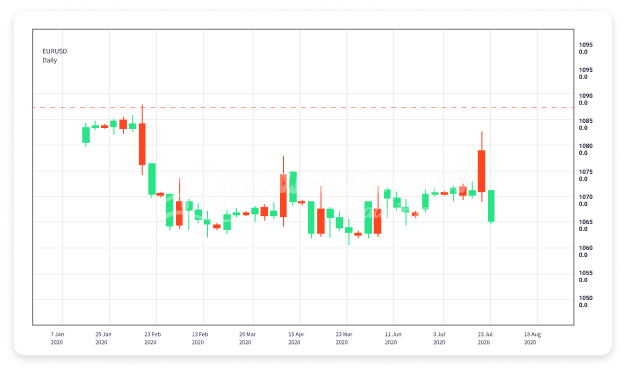
Technical analysis involves analyzing price charts and historical data to forecast future price movements. Traders use various chart patterns, indicators, and tools, such as moving averages, Bollinger Bands, and the Relative Strength Index (RSI), to identify potential entry and exit points.
2. Fundamental Analysis
This strategy revolves around understanding the economic factors that influence currency exchange rates. Traders must keep abreast of news events, interest rate decisions, and economic indicators such as GDP, unemployment rates, and inflation. Significant events can cause market volatility, which can create trading opportunities.
3. Swing Trading
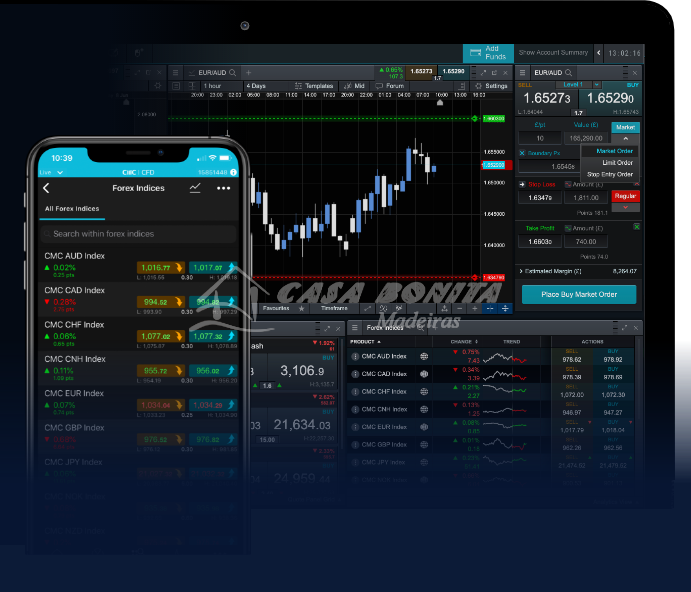
Swing trading involves holding positions for several days or weeks, aiming to profit from short-to-medium-term price movements. This strategy requires patience and a clear understanding of market trends.
4. Day Trading
Day trading entails buying and selling currencies within the same trading day. Day traders focus on short-term price movements, employing strategies that involve technical analysis and keen market insights.
Risk Management in Forex Trading
Risk management is the cornerstone of successful Forex trading. Effective risk management techniques include:
1. Setting Stop-Loss Orders
A stop-loss order automatically closes a position once a certain loss threshold is reached, limiting potential losses. Traders should define their acceptable risk levels before initiating trades.
2. Position Sizing
Determining the appropriate position size is crucial to managing risk. Traders should be aware of their account balance, risk tolerance, and leverage when calculating the size of each trade.
3. Diversification
Spreading trades across different currency pairs can help reduce risk. Diversification allows traders to avoid overexposure to any single market or economic event.
Choosing the Right Broker
Selecting a trustworthy Forex broker is essential for successful trading. When evaluating brokers, consider the following factors:
1. Regulation
Ensure that the broker is regulated by a reputable authority, as this provides a level of protection and transparency.
2. Trading Platform
The trading platform should be user-friendly, stable, and equipped with essential tools for trading analysis. Popular platforms include MetaTrader 4 and MetaTrader 5.
3. Spreads and Commissions
Examine the cost of trading, including spreads and commissions. Lower transaction costs can significantly impact profitability over time.
Final Thoughts
Forex trading can be an adventurous and rewarding pursuit. As a trader, it’s essential to continually educate yourself, adapt your strategies, and maintain discipline. By implementing sound trading practices, managing risk effectively, and staying informed about market conditions, you can enhance your chances of success in the Forex market. Start your Forex journey today, armed with the knowledge and strategies outlined in this tutorial!
Warning: Undefined array key "ssba_bar_buttons" in /home/u996422686/domains/casabonitamadeiras.com.br/public_html/wp-content/plugins/simple-share-buttons-adder/php/class-buttons.php on line 604
Warning: Undefined array key "ssba_bar_buttons" in /home/u996422686/domains/casabonitamadeiras.com.br/public_html/wp-content/plugins/simple-share-buttons-adder/php/class-buttons.php on line 604
Warning: Undefined array key "ssba_bar_buttons" in /home/u996422686/domains/casabonitamadeiras.com.br/public_html/wp-content/plugins/simple-share-buttons-adder/php/class-buttons.php on line 604
Warning: Undefined array key "ssba_bar_buttons" in /home/u996422686/domains/casabonitamadeiras.com.br/public_html/wp-content/plugins/simple-share-buttons-adder/php/class-buttons.php on line 604


