

Trading Crypto Strategies
As the cryptocurrency market continues to grow and evolve, traders are constantly seeking new Trading Crypto Strategies https://modernconsensus.com/people/innovators/new-blockchain-education-alliance-goal-is-attracting-top-talent-to-blockchain/ to maximize their investment returns. With thousands of cryptocurrencies available and market dynamics changing rapidly, having a well-defined strategy is essential. In this article, we will delve into various trading strategies that can help traders navigate the complexities of cryptocurrency trading.
Understanding Trading Styles
Before diving into specific strategies, it’s crucial to understand the different trading styles that exist within the cryptocurrency space. The most common trading styles include:
- Day Trading: This style involves making multiple trades within a single day to capitalize on short-term price movements. Day traders typically hold their positions for only a few hours or even minutes, looking for quick profits.
- Swing Trading: Swing traders aim to capture larger price movements over a longer period, typically days or weeks. This strategy requires less frequent trading than day trading but still demands careful analysis of market trends.
- Scalping: Scalpers seek to profit from small price changes by executing a large number of trades throughout the day. This strategy requires quick decision-making and a keen eye on market fluctuations.
- Position Trading: This long-term strategy involves holding onto cryptocurrency for an extended period, often months or years. Position traders rely on fundamental analysis to guide their decisions.
Key Trading Strategies
1. Trend Following
Trend following is one of the most popular trading strategies across all markets, including cryptocurrencies. The idea is simple: buy when prices are rising and sell when they are falling. Traders use various indicators, such as moving averages, to identify trends and make informed decisions.
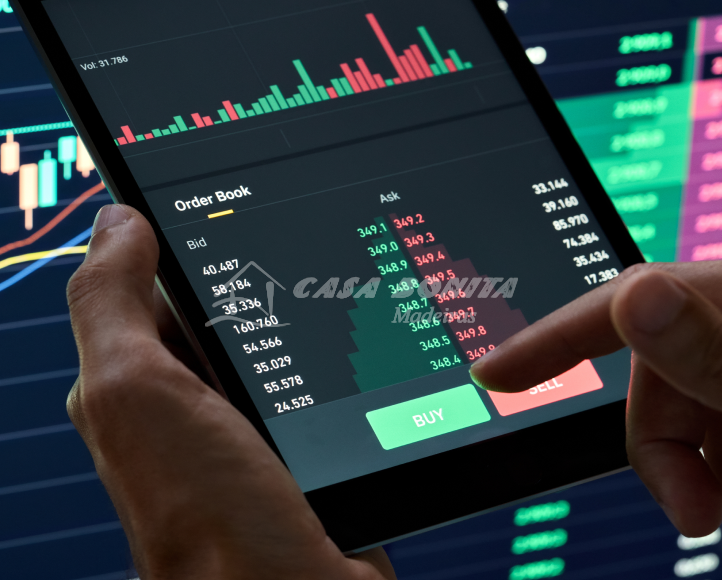
2. Breakout Trading
Breakout trading involves entering a position when the price breaks through a significant support or resistance level. This strategy relies on the idea that once the price breaks through these levels, it will continue in that direction, leading to potential profit. Traders often use volume analysis and chart patterns to confirm breakouts.
3. Arbitrage
Arbitrage is a strategy that takes advantage of price discrepancies between different exchanges. For example, if Bitcoin is trading for $10,500 on one exchange and $10,700 on another, a trader can buy low and sell high, pocketing the difference. However, successful arbitrage requires quick execution and awareness of transaction fees.
4. Dollar-Cost Averaging (DCA)
Dollar-cost averaging is a risk management strategy that involves investing a fixed amount of money at regular intervals. This approach helps mitigate the impact of volatility by spreading purchases over time, allowing traders to buy more units when prices are low and fewer when prices are high.
Risk Management Techniques
No trading strategy is complete without a robust risk management plan. Here are a few techniques that every trader should consider:

- Setting Stop-Loss Orders: A stop-loss order automatically sells a cryptocurrency when its price falls below a specified level. This helps limit losses and protect capital.
- Diversification: Spreading investments across different cryptocurrencies can reduce risk. By diversifying, traders can minimize the impact of poor performance in any single asset.
- Position Sizing: This technique involves calculating the amount of capital to risk on a single trade, typically based on a percentage of the trader’s total account balance. This helps maintain control over exposure to loss.
The Importance of Technical Analysis
Technical analysis is vital for traders looking to make informed decisions based on market trends and patterns. It involves analyzing historical price data and trading volume to identify potential future price movements. Key tools in technical analysis include:
- Chart Patterns: Patterns such as head and shoulders, double tops, and triangles can signal potential price reversals or continuations.
- Indicators: Tools like the Relative Strength Index (RSI), Moving Averages, and MACD help traders assess market momentum and identify overbought or oversold conditions.
- Volume Analysis: Understanding trading volume can provide insights into the strength of price movements. Higher volume during a price increase often signals strong buyer interest.
Staying Updated with Market News
The cryptocurrency market is influenced by a myriad of factors including regulations, technological developments, and market sentiment. Staying updated with the latest news can give traders a competitive edge. Utilize social media, news websites, and cryptocurrency forums to keep abreast of market happenings.
Conclusion
Trading cryptocurrencies can be both exciting and challenging. By understanding different trading styles, applying effective strategies, and implementing robust risk management techniques, traders can position themselves for success in this ever-evolving market. As always, novice traders should start small, practice due diligence, and consider seeking advice from seasoned professionals.
The world of cryptocurrency trading offers unlimited opportunities, but it also requires discipline, patience, and a commitment to continual learning. Whether you are a day trader, swing trader, or a long-term investor, developing a solid trading strategy will be your roadmap to navigating this dynamic landscape.
Warning: Undefined array key "ssba_bar_buttons" in /home/u996422686/domains/casabonitamadeiras.com.br/public_html/wp-content/plugins/simple-share-buttons-adder/php/class-buttons.php on line 604
Warning: Undefined array key "ssba_bar_buttons" in /home/u996422686/domains/casabonitamadeiras.com.br/public_html/wp-content/plugins/simple-share-buttons-adder/php/class-buttons.php on line 604
Warning: Undefined array key "ssba_bar_buttons" in /home/u996422686/domains/casabonitamadeiras.com.br/public_html/wp-content/plugins/simple-share-buttons-adder/php/class-buttons.php on line 604
Warning: Undefined array key "ssba_bar_buttons" in /home/u996422686/domains/casabonitamadeiras.com.br/public_html/wp-content/plugins/simple-share-buttons-adder/php/class-buttons.php on line 604


