

How Web3 Alters Traditional Gambling
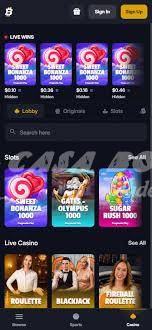
The gambling industry has undergone tremendous changes over the years, from traditional brick-and-mortar casinos to online platforms that provide instant access to gaming opportunities. However, as technology continues to evolve, a new paradigm is emerging—Web3. Web3, the decentralized internet built on blockchain technology, is beginning to reshape the landscape of online gambling in significant ways. It brings transparency, security, and a variety of new gaming experiences to players worldwide. One notable platform that embraces this new era is the How Web3 Alters Traditional Gambling Behavior Bitfortune app, which exemplifies how Web3 can enhance the gambling experience.
Understanding Web3 and Its Principles
Web3 refers to the third generation of the internet, characterized by decentralized networks, blockchain technology, and user-centric platforms. Unlike traditional web applications that rely on centralized servers, Web3 applications operate on decentralized networks that give users more control over their interactions and data. At its core, Web3 promotes principles such as transparency, security, privacy, and user ownership, all of which have profound implications for the gambling industry.
Transparency in Gambling
One of the critical advantages of Web3 in gambling is the increased transparency it offers. Traditional online gambling platforms often operate on a trust-based model, where players must rely on the operator’s integrity to ensure fair play. In contrast, Web3-based gambling applications utilize blockchain technology to create a transparent, immutable record of all transactions and outcomes, allowing players to verify the fairness of games in real-time.
Smart contracts, a foundational aspect of blockchain technology, enforce game rules autonomously. They ensure that outcomes are determined fairly without manipulation by operators. This level of transparency not only builds trust among players but also encourages operators to uphold ethical standards, knowing that their actions are visible to the public.
Enhanced Security Features
Security is paramount in the gambling industry, where players entrust their money and personal data to online platforms. Traditional platforms are often vulnerable to hacks and data breaches due to their centralized nature. In contrast, Web3 applications leverage decentralization to enhance security.
With blockchain technology, player data is encrypted and distributed across the network, making it significantly more challenging for malicious actors to manipulate or steal information. Furthermore, the use of decentralized identity solutions allows players to maintain control over their data, sharing only what is necessary for transactions without exposing their entire identity.
The Emergence of Cryptocurrencies in Gambling
Web3 has also paved the way for the widespread adoption of cryptocurrencies in gambling. Many traditional platforms have begun accepting cryptocurrencies as payment methods, but Web3 takes this a step further by integrating crypto directly into the gaming experience. Players can place bets, receive winnings, and even participate in governance decisions using their digital currencies.
This shift benefits players in numerous ways. Firstly, it allows for faster transactions, as cryptocurrency payments are processed almost instantly, unlike traditional bank transfers that can take days. Secondly, it provides players with more control over their funds, removing the need for intermediaries that can impose fees or restrictions. Lastly, by enabling token-based economies within games, developers can create unique incentives and rewards for players, further enhancing engagement and loyalty.
Decentralized Gaming Ecosystems

Another profound impact of Web3 on gambling is the creation of decentralized gaming ecosystems. In these environments, players can not only participate in games but also contribute to the development and growth of the platforms themselves. Through mechanisms like community voting and revenue sharing, players can have a say in the direction of the games they enjoy.
This model fosters a sense of community and inclusivity, breaking down the barriers between players and developers. Moreover, independent developers can create and launch their games on decentralized platforms without the extensive costs associated with traditional distribution methods. This democratization of game development leads to a richer variety of gaming experiences for players.
Challenges and Considerations
While the advantages of Web3 in gambling are compelling, the new paradigm also comes with challenges. Regulatory frameworks for decentralized gambling remain largely undeveloped, leading to uncertainties for operators and players alike. Compliance with local laws can be complex, as many jurisdictions have yet to address the implications of blockchain technology and cryptocurrencies in gambling.
Moreover, the technology underlying Web3 is still maturing, and users may encounter usability issues, such as complex wallet management and transaction processes. Educational initiatives will be crucial to ensure that players can navigate these new systems confidently.
The Future of Gambling with Web3
As Web3 continues to evolve, its influence on the gambling industry will likely grow. The shift towards decentralization presents an opportunity for innovative platforms to emerge and offer unique gaming experiences that prioritize user control and transparency. While traditional gambling operators may resist these changes initially, it is likely that they will have to adapt or face competition from more agile, blockchain-based alternatives.
In conclusion, Web3 is not just a technological advancement; it represents a fundamental shift in how gambling can operate. By harnessing the power of decentralization, transparency, and community engagement, Web3 has the potential to transform the gambling landscape for the better, creating a more secure, fair, and enjoyable experience for all players.
Warning: Undefined array key "ssba_bar_buttons" in /home/u996422686/domains/casabonitamadeiras.com.br/public_html/wp-content/plugins/simple-share-buttons-adder/php/class-buttons.php on line 604
Warning: Undefined array key "ssba_bar_buttons" in /home/u996422686/domains/casabonitamadeiras.com.br/public_html/wp-content/plugins/simple-share-buttons-adder/php/class-buttons.php on line 604
Warning: Undefined array key "ssba_bar_buttons" in /home/u996422686/domains/casabonitamadeiras.com.br/public_html/wp-content/plugins/simple-share-buttons-adder/php/class-buttons.php on line 604
Warning: Undefined array key "ssba_bar_buttons" in /home/u996422686/domains/casabonitamadeiras.com.br/public_html/wp-content/plugins/simple-share-buttons-adder/php/class-buttons.php on line 604


